

Published · Vitrerie Vaudreuil
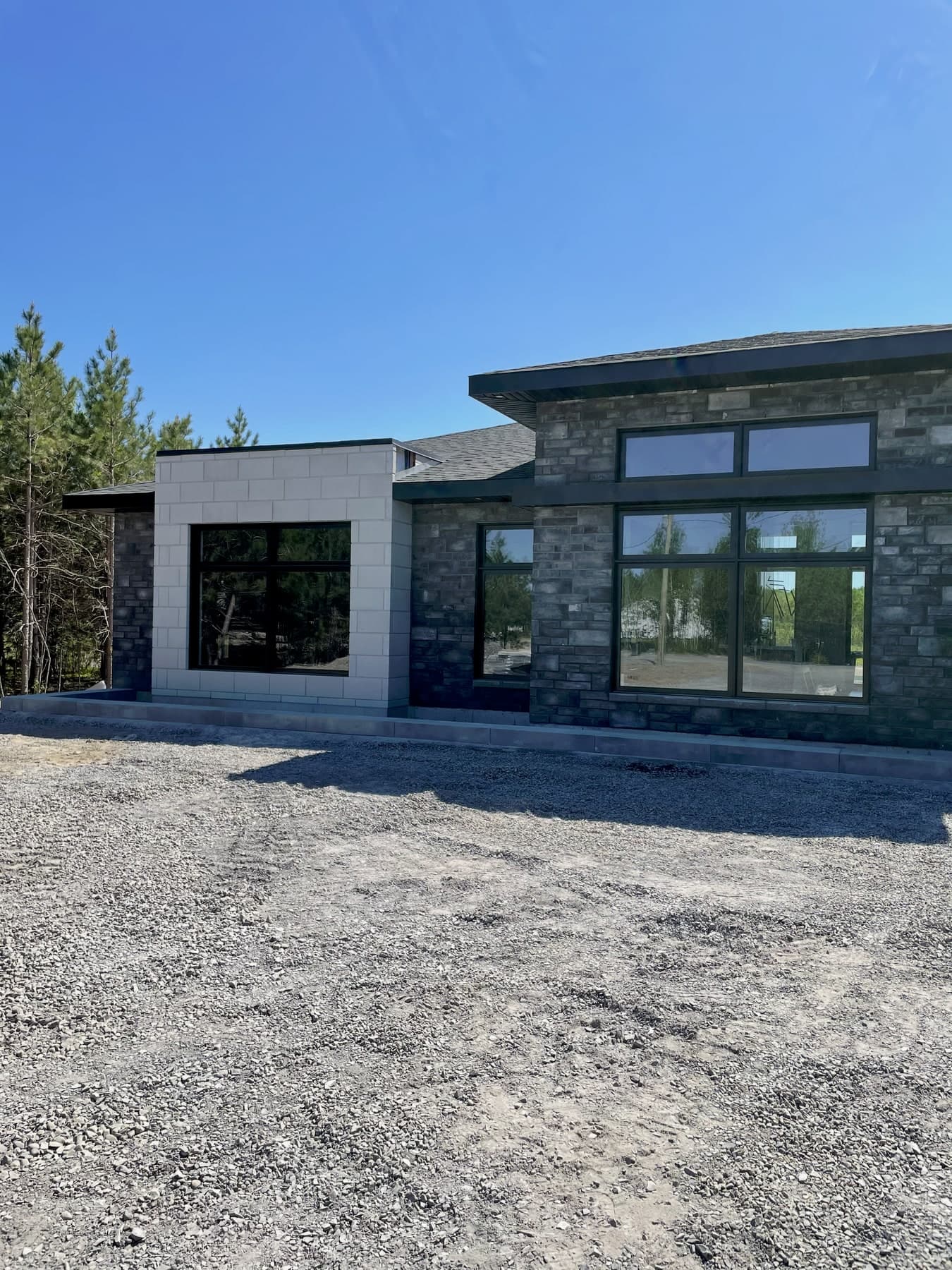
Before any installation, a glazier serving Longueuil or the Vaudreuil-Soulanges area assesses the condition of the frame, checks for moisture in the glazing, and looks at the type of door or window involved. This step determines whether a simple repair will do or whether a sealed unit replacement is needed, and it forms the basis for a reliable quote.
Glazier in Longueuil and Vaudreuil-Soulanges: what happens before installation
Whether you're a homeowner in Longueuil, Vaudreuil-Dorion, or elsewhere in Vaudreuil-Soulanges, the process stays pretty much the same. The glazier starts by examining the existing glazing: the type of glass, the condition of the frame, any fogging between the panes, and signs of infiltration. This assessment is meant to tell apart an interior condensation issue from an actual seal failure in the sealed unit.
The company offers sealed unit replacement as well as installation and repair of residential doors and windows (services). This scope of service directly shapes what gets checked on-site before recommending one solution over another.
Telling apart interior moisture from a faulty pane
One of the glazier's first instincts is to figure out where the fogging on a window is actually coming from:
- Condensation on the inside face of the glass often comes from high humidity levels in the house or poor air circulation, not necessarily a glazing defect.
- Condensation on the outside face, during cool weather, simply means the glazing is insulating well.
- Fogging that shows up between the two panes of a sealed unit usually points to a seal failure in the glazing itself.
This distinction helps avoid replacing a window that's actually working fine, or on the flip side, delaying a replacement that's genuinely needed.
What the glazier checks before recommending a repair or replacement
The on-site assessment usually covers several concrete points:
- The overall condition of the frame (wood, PVC, aluminum) and whether it can accommodate new glazing without additional structural work.
- The type of glass currently installed, especially for doors, windows, or shower enclosures where tempered or laminated glass must meet recognized safety standards in the industry.
- Where the moisture is located (inside surface, outside surface, or between the panes) to confirm whether the sealed unit is at fault.
- The approximate dimensions of the opening, keeping in mind that final measurements are always confirmed on-site before the glazing is fabricated or ordered (quote).
- Any local specifics, such as shower partitions, wine cellars, or pool fences, which sometimes call for a different type of glass than a standard window.
This step isn't just a formality: it's what prevents unpleasant surprises once the order has been placed.
What influences the choice between repair and replacement
Several concrete factors affect which solution is chosen, and by extension, the price quoted:
- The condition of the surface and frame: a damaged or warped frame may require more than just swapping out the glass.
- The size and shape of the glazing: a large surface or a non-standard shape often calls for extra preparation.
- The finish or type of glass chosen: clear, frosted, tempered, or laminated glass each come with different installation requirements.
- The prep work needed before installation: removing the old glazing, adjusting the frame, checking existing seal integrity.
Since no public pricing is published in advance, the best way to find out the real cost of your project is to request a quote after an assessment tailored to your situation.
Steps after the assessment: from measurement to quote
Once the inspection is done, the glazier can confirm whether the project calls for a targeted repair or a full replacement. The quote request is then made through a project form, and final measurements are confirmed on-site before any order is placed, which limits measurement errors once work gets underway (quote).
For homeowners wondering whether their town falls within the service area, you can check the territory page to see which municipalities are served in Vaudreuil-Soulanges and the surrounding area.
Why this preliminary assessment matters for homeowners
Skipping this step often leads to two common mistakes: replacing glazing that could have simply been repaired, or on the other hand, temporarily patching up a sealed unit that's already failed. An on-site assessment, before any door or window installation, remains the best way to compare options based on objective criteria rather than a quick visual impression.
FAQ
Related reading:
Frequently asked questions
What's the price of a custom-cut window pane?
No pricing is published in advance, since the cost depends on the condition of the surface, the size, the type of glass chosen, and the prep work required before installation. The most reliable way to know the actual cost of your project is to request a quote after an assessment. Vitrerie Vaudreuil offers sealed units.
Who can replace a window pane?
For a residential window, it's best to leave the replacement to a professional who can assess the condition of the frame, the integrity of the sealed unit's seal, and the type of glass needed for the intended use. A glazier also confirms final measurements on-site before ordering, which prevents measurement errors. Vitrerie Vaudreuil offers a door and window service.
How do I know if a window needs to be replaced rather than repaired?
If fogging shows up on the inside surface of the glass, it's often an issue with ambient humidity rather than the glazing itself. If fogging forms between the two panes, it usually means the sealed unit has lost its seal integrity and needs to be replaced.
Does the glazier serve the whole Vaudreuil-Soulanges area?
Door and window services, sealed unit replacement, and other residential work are offered throughout Vaudreuil-Soulanges and several surrounding towns, including the Longueuil area. The territory page lists the municipalities covered.
What checks does a glazier do before installing doors and windows?
The glazier looks at the condition of the frame, the type of glass currently in place, the source of any condensation, and the approximate dimensions of the opening. These observations help determine whether a repair or a replacement is recommended, before final measurements are confirmed on-site.